Washington D.C. / Tehran:In one of the most serious confrontations in the Gulf in recent years, the United States and Iran have issued directly opposing declarations over the future of the Strait of Hormuz, a narrow maritime corridor through which roughly one-fifth of the world's seaborne oil trade passes.
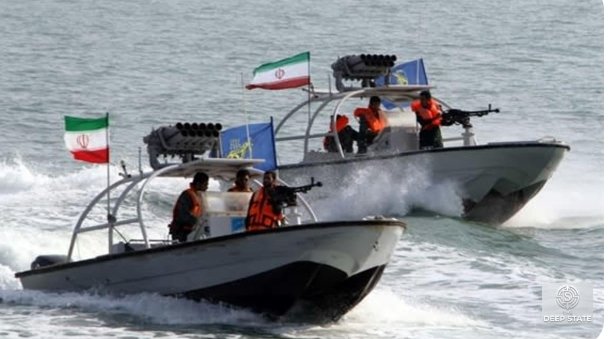
Iran announced that the Strait would be closed to all shipping until further notice, blaming what it called "illegal foreign military interference" for the deteriorating security situation. The statement from Iran's Islamic Revolutionary Guard Corps (IRGC) warned that no vessel would be permitted to transit the waterway unless the United States ended its military presence in the region.
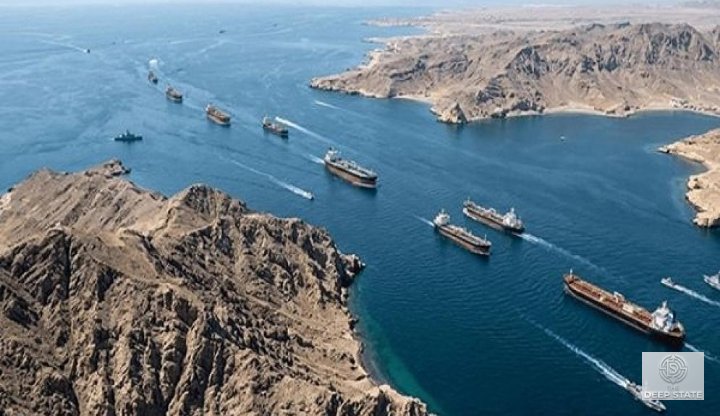
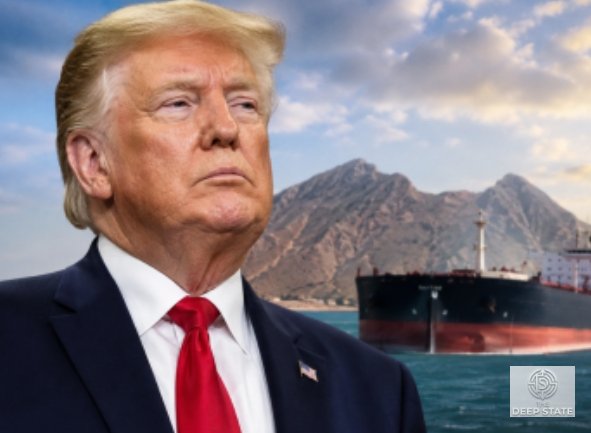
Within hours, U.S. President Donald Trump rejected Tehran's announcement, insisting that the Strait would remain open for international navigation. Trump declared that the United States would act as the "Guardian of the Hormuz Strait," saying Washington would ensure uninterrupted maritime traffic and maintain freedom of navigation for commercial vessels.
The President also announced that the United States would restore maritime restrictions targeting Iranian vessels and entities conducting business with Tehran. In addition, Trump proposed a 20 percent cargo security surcharge on commercial shipments passing through the Strait to finance expanded naval protection operations.
The announcement has immediately drawn international attention because the Strait of Hormuz serves as the world's most important energy shipping lane, connecting the Persian Gulf with global markets. Any disruption could affect crude oil exports from Saudi Arabia, Iraq, Kuwait, the United Arab Emirates, Qatar and Iran, potentially driving up fuel prices and disrupting international trade.
Meanwhile, U.S. Central Command stated that the Strait remains open to all vessels operating in accordance with international maritime law. American naval forces, according to the command, remain deployed and prepared to protect commercial shipping against threats, harassment or unlawful interference.
Iran, however, maintains that foreign military activity has undermined regional security and insists its closure order will remain in effect until Washington withdraws its involvement.
Diplomatic observers warn that the conflicting claims significantly increase the possibility of miscalculation at sea. Shipping companies are expected to reassess security procedures, while insurers closely monitor developments amid fears of higher transportation costs and possible supply-chain disruptions.
Energy analysts note that although commercial traffic continues in many parts of the Gulf, uncertainty surrounding Hormuz alone is enough to influence global oil markets. Governments across Europe and Asia are expected to follow developments closely given their heavy dependence on Gulf energy exports.
As military forces from both countries remain on high alert, the international community is urging restraint to prevent the standoff from escalating into a wider regional conflict.