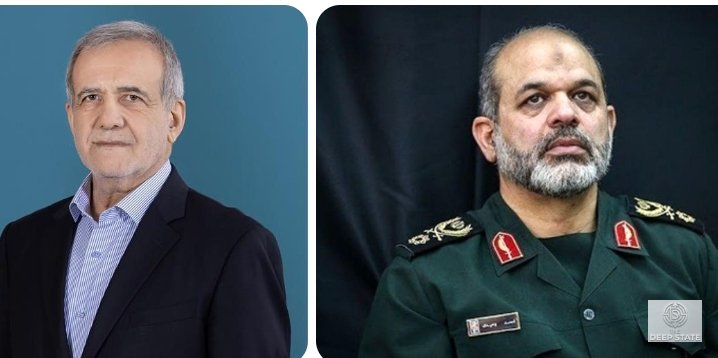
Iranian leaders have adopted a firm stance, saying the country will not surrender to external pressure or coercive diplomacy. Officials stated that if the conflict intensifies, Iran is prepared for a full-scale military confrontation.
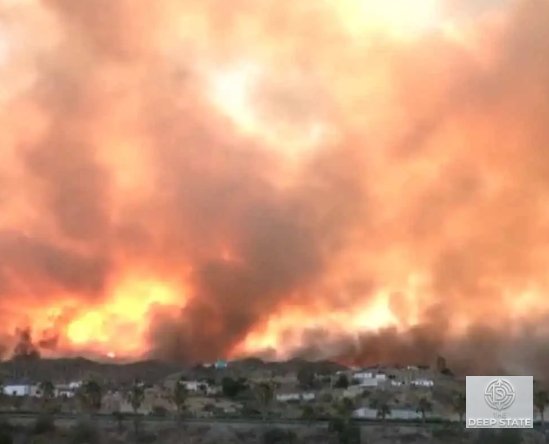
The warning follows recent U.S. airstrikes targeting multiple locations in Iran, which reportedly caused civilian and military casualties, further deepening tensions between the two countries.
Qatar Steps In as Mediator
In a bid to prevent further escalation, Qatar has sent a senior diplomatic delegation to Tehran. Doha is attempting to reopen communication channels between Iran and the United States after negotiations reportedly stalled.
Despite Qatar's mediation efforts, officials acknowledge that restoring trust remains a major challenge amid rising military and political tensions.
Iran's Key Demands
Iran has outlined several conditions before considering renewed negotiations:
An immediate ceasefire across regional conflict zones.
Recognition of Iran's sovereign role in managing the Strait of Hormuz.
Removal of restrictions on Iran's crude oil exports to international markets.
Iran insists that meaningful dialogue cannot resume unless these concerns are addressed.
Global Concerns Grow
The crisis carries significant international implications.
Nearly one-fifth of the world's oil supply passes through the Strait of Hormuz. Any disruption could trigger a sharp rise in global energy prices, increasing inflation and affecting economies worldwide.
India and several other nations are closely monitoring the situation due to their energy dependence and strategic interests in the Gulf region.