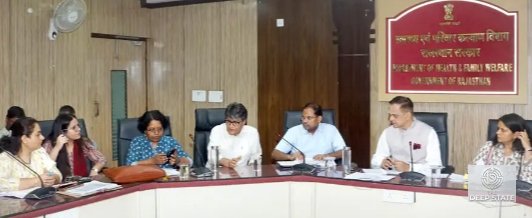
Jaipur: In a significant move aimed at reducing maternal and neonatal mortality, the Rajasthan government has introduced a stricter monitoring framework for high-risk pregnancies. Chief Secretary Sudhansh Pant has directed the Health Department to ensure that every identified high-risk pregnant woman is tracked every three days until delivery.
The decision follows a high-level review of maternal healthcare services across the state and comes amid growing concern over complications during pregnancy and childbirth.
Under the revised strategy, frontline health workers—including ASHAs, ANMs, and medical officers—will closely monitor women identified with conditions such as severe anemia, hypertension, diabetes, multiple pregnancies, previous cesarean deliveries, or other medical complications.
The Chief Secretary instructed district administrations and health officials to strengthen coordination between primary health centres, community health centres, district hospitals, and tertiary care institutions to ensure that women requiring advanced treatment are referred without delay.
24-Hour Surveillance Around Delivery
Health authorities have also been directed to provide round-the-clock monitoring for at least 24 hours before and after delivery, a period considered medically critical for both mother and newborn. Emergency obstetric teams, ambulance services, blood availability, and intensive care facilities are expected to remain on alert during this window.
Officials said that timely identification of warning signs and immediate medical intervention are expected to significantly improve survival rates and reduce preventable maternal deaths.
Technology and Field Monitoring
The state government has instructed district health officials to maintain updated records of all high-risk pregnancies through digital health tracking systems while ensuring regular home visits by frontline workers. Progress reports will be reviewed periodically at the state level to assess compliance and identify gaps in healthcare delivery.
Public health experts believe the initiative could improve antenatal care coverage, increase institutional deliveries, and strengthen Rajasthan's maternal healthcare network, particularly in rural and remote areas.
The latest measures are part of the state's broader effort to achieve national maternal and child health targets while improving access to quality healthcare for vulnerable mothers.