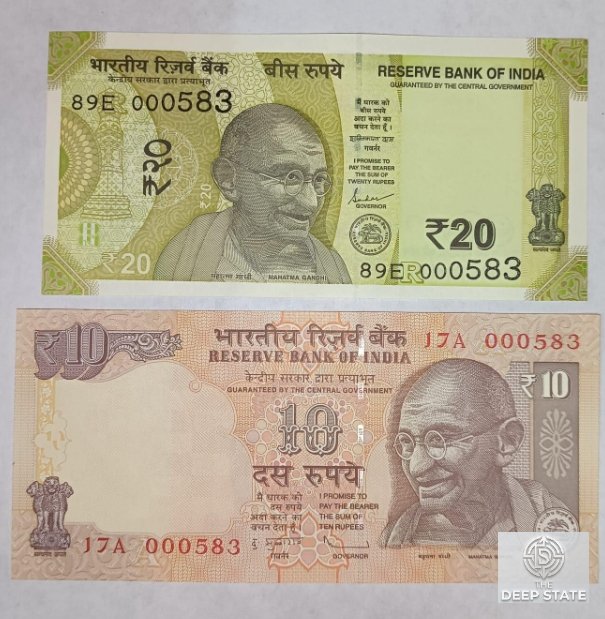
New Delhi: The Indian government has cleared a proposal to test polymer-based ₹10 and ₹20 banknotes, marking a potential shift in the country’s currency system toward more durable and longer-lasting notes.
Finance Minister Nirmala Sitharaman said the pilot phase will involve the printing of 100 crore ₹10 notes and 100 crore ₹20 notes. The initiative is aimed at assessing the performance, durability and practical use of plastic currency before any wider rollout.
Polymer banknotes are designed to withstand moisture, repeated handling and physical wear better than traditional paper-based notes. The government expects the new notes to remain usable for up to 30 years, considerably longer than ordinary currency notes.
The proposed trial could also help reduce the frequency with which low-denomination notes need to be replaced. ₹10 and ₹20 notes generally experience heavy circulation because of their widespread use in everyday transactions.
Why Polymer Currency Matters
Unlike conventional cotton-paper currency, polymer notes are manufactured using a durable plastic-like substrate. They are generally more resistant to water, tearing and dirt, potentially improving their circulation life.
The move is also expected to provide authorities with an opportunity to evaluate security features and public acceptance before taking a decision on large-scale production.
The government is expected to closely monitor the pilot programme before deciding whether polymer notes should be introduced in additional denominations.
A Possible New Chapter For Indian Currency
If the trial proves successful, polymer currency could become an important part of India's future banknote strategy, particularly for denominations that change hands frequently.
The proposed ₹10 and ₹20 notes will therefore serve as a test case for whether longer-lasting currency can reduce replacement costs and improve the durability of cash in everyday circulation.