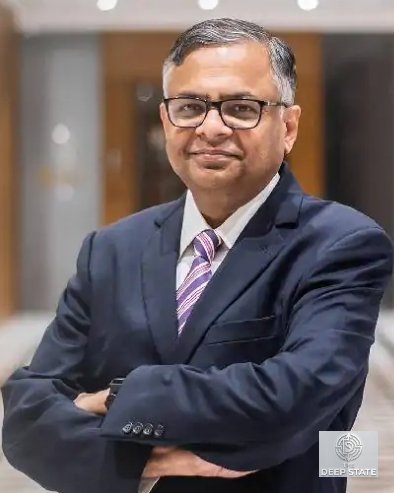
New Delhi: Chairman of Tata Sons, bringing an end to his tenure at the helm of the Tata Group’s holding company. He will, however, continue in the position until his current term ends on February 20, 2027. The decision comes amid months of reported differences between Tata Sons leadership and Tata Trusts Chairman Noel Tata over Chandrasekaran’s reappointment and broader governance issues.
Leadership Transition at Tata’s Holding Company
N. Chandrasekaran’s decision marks a major leadership transition for Tata Sons and the wider Tata Group. Chandrasekaran, who became Tata Sons chairman in February 2017, has overseen the conglomerate during a period of major expansion and strategic restructuring.
His resignation was announced ahead of the Tata Sons annual general meeting scheduled for August 18. Rather than seeking another term, Chandrasekaran will complete his existing tenure, which runs until February 20, 2027.
Differences With Tata Trusts
The resignation follows months of reported tensions involving Tata Sons and Tata Trusts, which collectively hold about 66% of Tata Sons. Reuters reported that the disagreement included questions surrounding Chandrasekaran’s reappointment, board representation, strategic direction and the performance of certain group businesses.
Noel Tata, chairman of Tata Trusts, had opposed or raised conditions around Chandrasekaran’s continuation earlier this year, resulting in the postponement of a decision on his reappointment. The dispute revived memories of earlier leadership tensions within the Tata Group.
A New Succession Chapter
Chandrasekaran’s departure creates an important succession challenge for one of India’s most prominent business groups. The next chairman will inherit responsibility for navigating the conglomerate’s diverse businesses, including technology, automobiles, steel, airlines, energy and emerging manufacturing ventures.
The leadership transition also comes as the Tata Group faces strategic and operational challenges across several businesses, making the selection of the next Tata Sons chairman particularly significant.
What Happens Next
Chandrasekaran is expected to remain focused on key projects during the remaining months of his term. The Tata Group will now have to chart a succession process while maintaining stability across its businesses and its relationship with the Tata Trusts.
The change represents one of the most consequential leadership developments at Tata Sons since Chandrasekaran succeeded Ratan Tata in 2017.