Bharatpur: A new chapter in India's heritage tourism has begun with the grand opening of Mahal Khas Palace, an iconic royal residence meticulously restored and reimagined as an exclusive luxury heritage hotel under the leadership of Kunwar Bhagat Singh Lohagarh.
The inauguration marked more than the opening of a hotel—it celebrated the revival of a historic landmark that once echoed with the traditions of Bharatpur's royal past. The restoration project sought to preserve the palace's original architectural identity while introducing contemporary hospitality standards expected by international travelers.
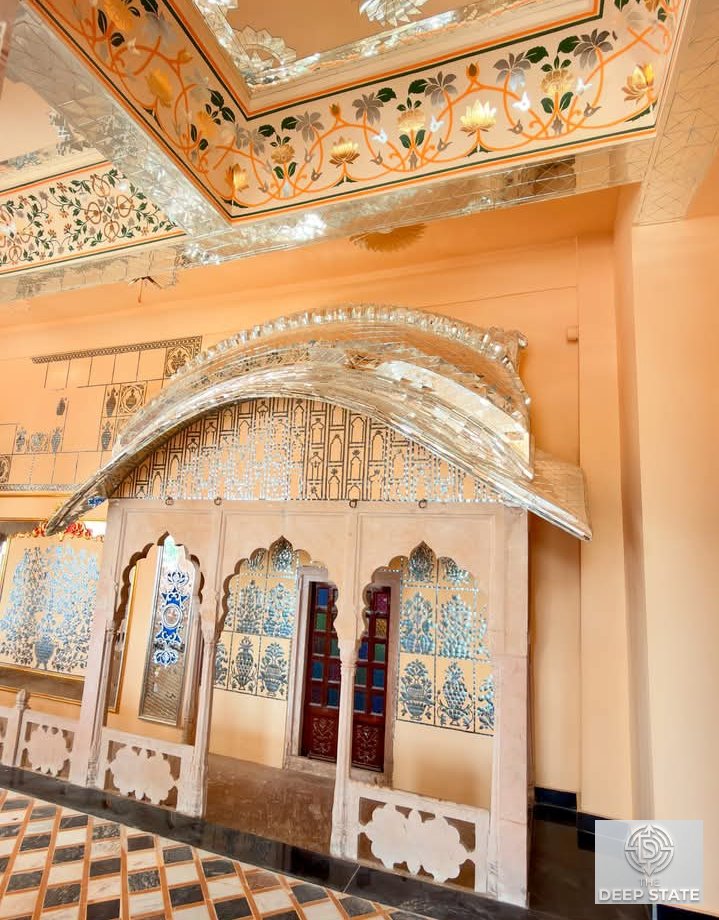
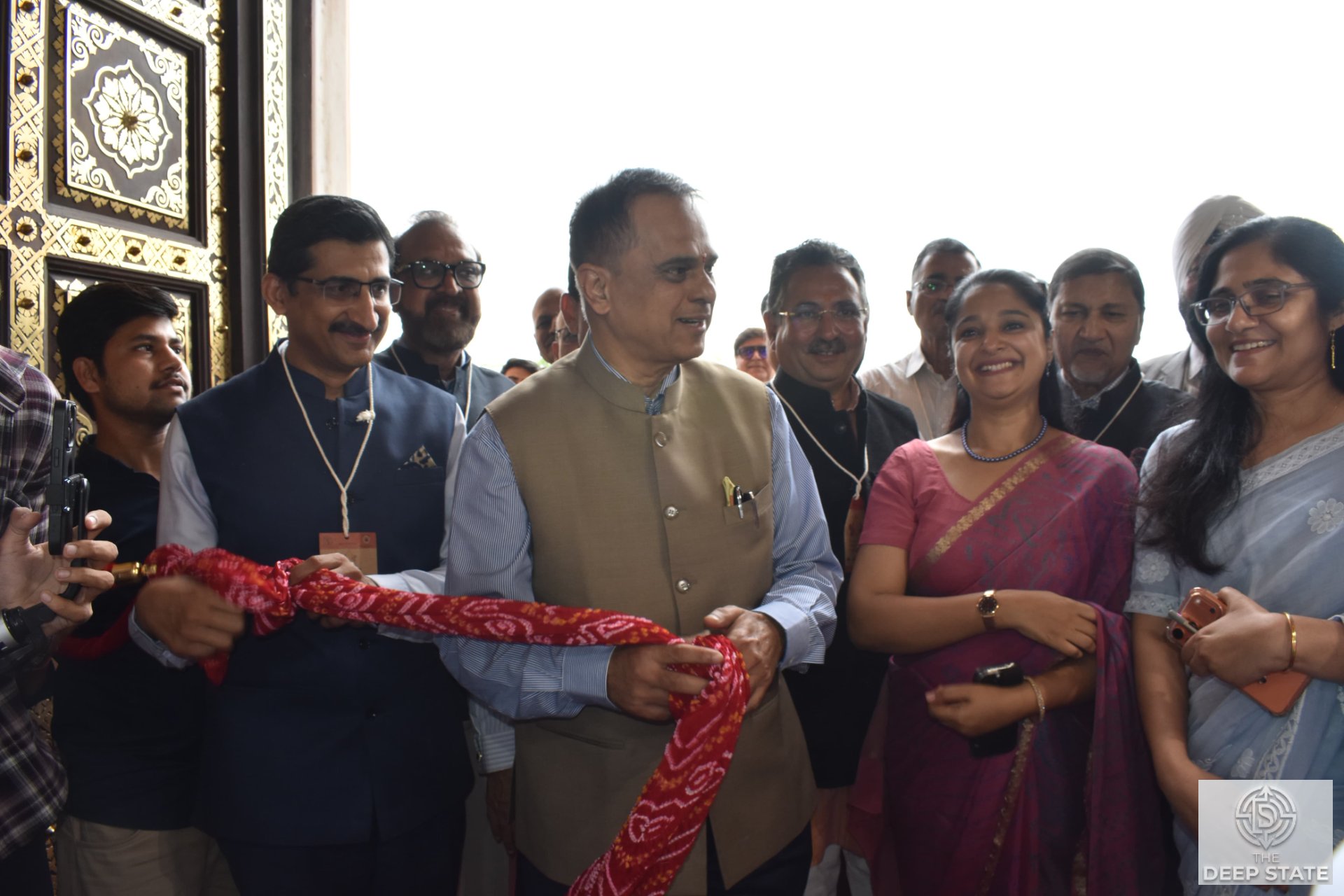
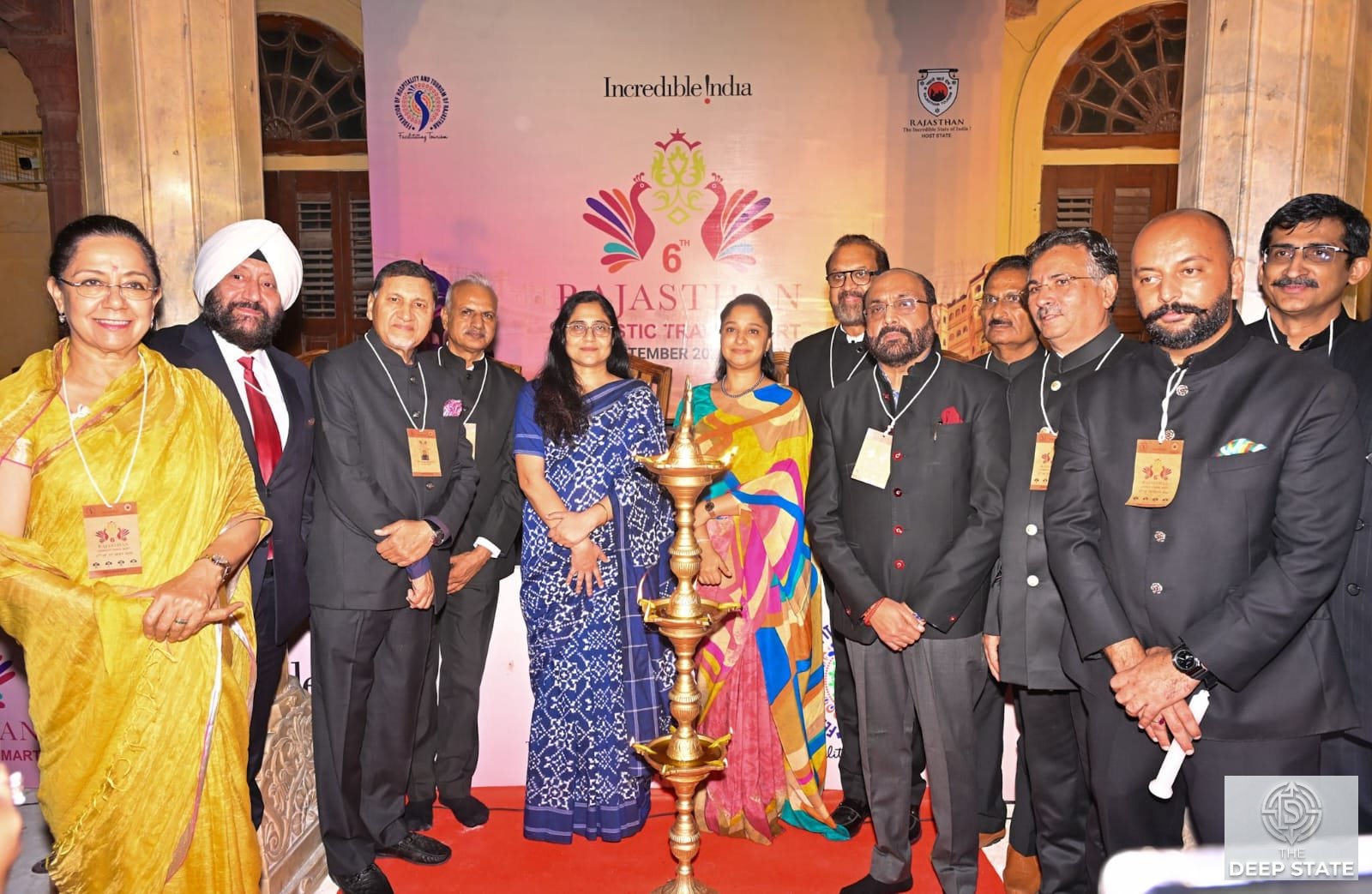
The opening ceremony drew prominent dignitaries, tourism stakeholders, business leaders, cultural representatives, and invited guests from across India. Traditional performances, ceremonial rituals, and guided heritage tours showcased the palace's restored grandeur.
Speaking during the inaugural event, Lohagarh Group Vice President Sanjay Nischal described the project as a long-term commitment to preserving Rajasthan's living heritage while positioning Bharatpur on the global luxury tourism map.
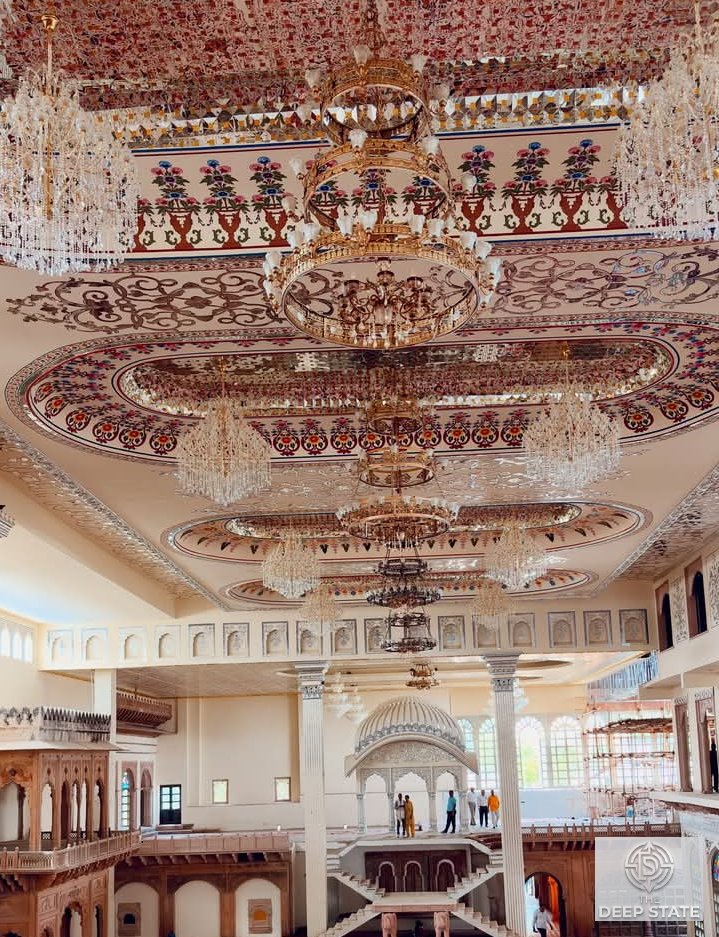
According to the group, every stage of restoration focused on protecting the palace's historic identity. Ornate courtyards, carved archways, frescoes, royal halls, and traditional design elements have been carefully revived, while luxury suites, fine dining venues, landscaped gardens, wellness facilities, and modern guest amenities have been seamlessly integrated.
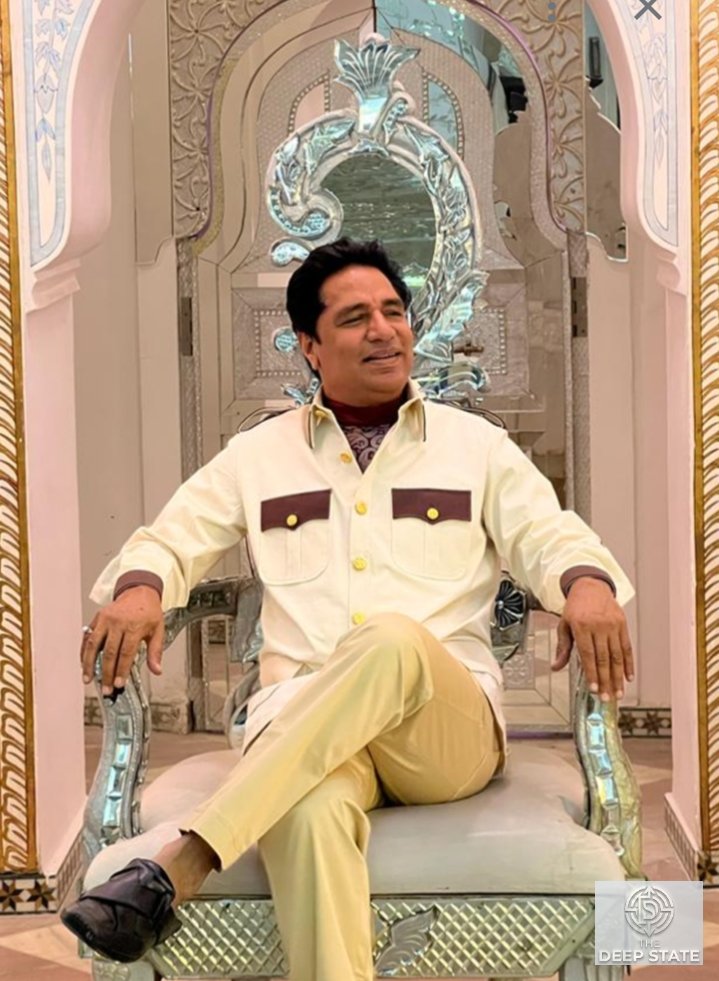
The vision of Kunwar Bhagat Singh Lohagarh has been to transform Mahal Khas Palace into more than a hospitality destination. The palace has been conceived as a cultural experience where visitors can immerse themselves in the history, architecture, cuisine, and traditions of Bharatpur while enjoying premium accommodations and personalized service.
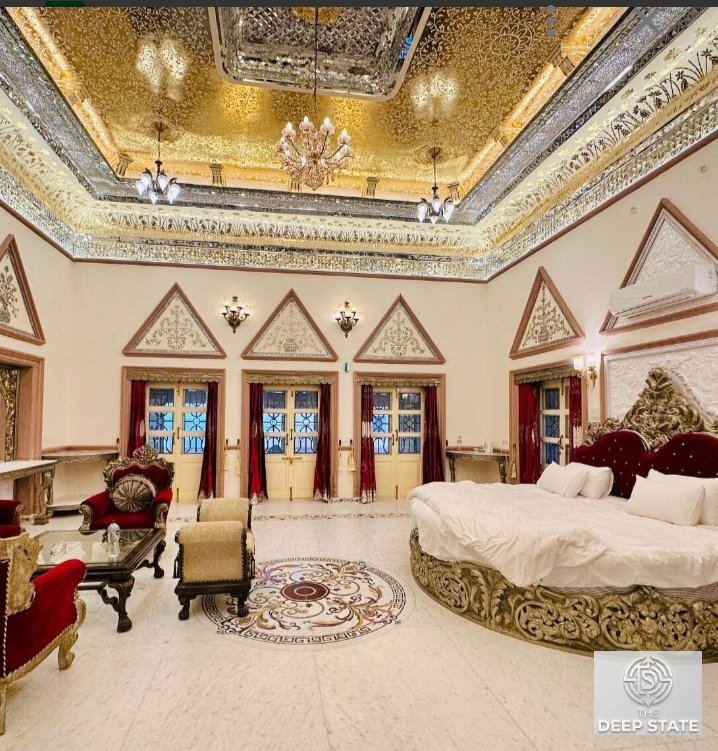
Industry observers believe the project could strengthen Bharatpur's reputation as a heritage tourism destination alongside its internationally recognized wildlife attractions. Hospitality experts also note that restored heritage properties contribute significantly to local employment, conservation efforts, traditional craftsmanship, and regional economic development.
The palace is expected to host destination weddings, international conferences, cultural festivals, private celebrations, and luxury leisure travelers seeking authentic royal experiences.
As evening lights illuminated the restored domes and courtyards during the inauguration, Mahal Khas Palace stood as a symbol of successful heritage conservation—where history has not merely been preserved but brought back to life for a new generation of visitors.