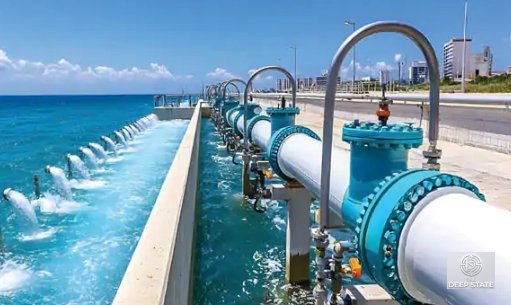
Tehran: Civilian infrastructure has become an increasingly prominent casualty of the expanding U.S.–Iran conflict. Iranian authorities reported that U.S. strikes severely damaged a desalination and electricity facility serving communities in southern Iran, leaving thousands without reliable access to clean drinking water.
Within hours, Iran responded by targeting strategic infrastructure in Kuwait, where missile and drone attacks damaged a major power generation and water desalination complex. Kuwaiti emergency services battled fires while officials assessed the impact on water production and electricity supplies
The exchange marks a significant escalation, as attacks have expanded beyond military installations to facilities essential for civilian life. Water desalination plants are critical across the Gulf region, where millions depend on them for daily drinking water. Experts warn that continued strikes on such infrastructure could trigger a humanitarian emergency in one of the world's most water-scarce regions.
The latest attacks also coincide with rising tensions around the Strait of Hormuz, a vital global shipping route. Regional governments have increased security measures while international observers warn that further escalation could disrupt energy exports, commercial shipping, and civilian infrastructure across the Middle East.
Humanitarian organizations and international legal experts have reiterated that attacks affecting civilian water supplies can have severe consequences for public health and may raise concerns under international humanitarian law.