Jaipur:A series of maternal deaths reported from government hospitals across Rajasthan has brought the state's public healthcare system under intense scrutiny, prompting the government to launch an emergency review of maternal health services and announce a series of corrective measures aimed at preventing further tragedies.
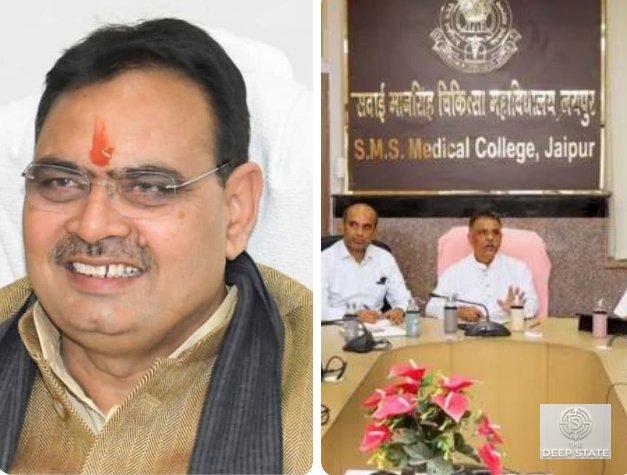
The deaths, reported from districts including Kota, Bikaner, Bhilwara and Banswara, have triggered public concern over the quality of maternal healthcare, referral systems and emergency obstetric services. In response, Rajasthan Health Minister Gajendra Singh Khinvsar chaired a high-level meeting on Monday with senior gynecologists, medical college principals and top health officials to examine each case individually.
According to the minister, preliminary investigations indicate that the women who died had been referred from remote rural healthcare centres after developing life-threatening complications. Many were suffering from severe anemia, pregnancy-induced hypertension, postpartum hemorrhage (PPH), malnutrition and multiple organ complications before reaching tertiary hospitals.
Health officials said the patients arrived in extremely critical condition, reducing the chances of successful medical intervention despite emergency treatment by specialist teams.
Government Defends Health System While Acknowledging Concern
While describing the recent deaths as deeply concerning, the Rajasthan government rejected suggestions that a common medical lapse or hospital-wide infection was responsible.
The Health Minister said medical audits have not identified a single pattern linking the fatalities and emphasized that each case involved different clinical complications associated with high-risk pregnancies.
He also referred to historical maternal mortality incidents in Rajasthan, noting that earlier hospital tragedies had been linked to infection-related failures, whereas the current cases involve medically distinct conditions.
Official Figures Show Declining Maternal Mortality
Presenting official government data, the minister said maternal mortality has continued to decline over the past three years:
Year
Maternal Deaths
2023–24
1,094
2024–25
986
2025–26*
824 (provisional)
The government says the figures represent an overall reduction of nearly 25 percent, while acknowledging that every maternal death remains unacceptable and requires detailed investigation.
State Orders Hospital Audits
Medical colleges and district hospitals have been instructed to conduct comprehensive audits of every recent maternal death. Administrators from affected districts joined the review meeting through video conferencing and were directed to submit complete clinical records covering referrals, treatment protocols and emergency interventions.
Hospitals have also been instructed to strengthen infection-control practices and strictly follow national obstetric care guidelines.
Focus Shifts to Rural Healthcare
The review concluded that preventing maternal deaths will require stronger healthcare services before patients reach referral hospitals.
Senior specialists from government medical colleges will mentor doctors posted at Community Health Centres (CHCs) and Primary Health Centres (PHCs) to improve early identification of high-risk pregnancies.
The government has also directed enhanced monitoring of ASHA workers and Auxiliary Nurse Midwives (ANMs) responsible for antenatal care, nutrition assessment and timely referral of pregnant women.
Experts Recommend Systemic Reforms
Medical experts participating in the meeting proposed several long-term reforms, including:
Dedicated Obstetric Intensive Care Units (ICUs) in major hospitals.
Expansion and modernization of labour rooms to reduce overcrowding.
Early diagnosis and treatment of severe anemia.
Mandatory pre-operative assessments for emergency deliveries.
Standardized referral registers to improve patient tracking and accountability.
Health officials say these recommendations will be incorporated into the state's maternal healthcare strategy in the coming months.