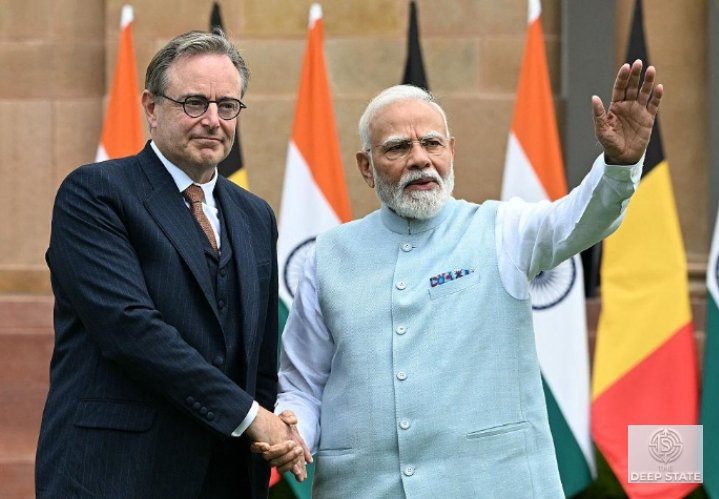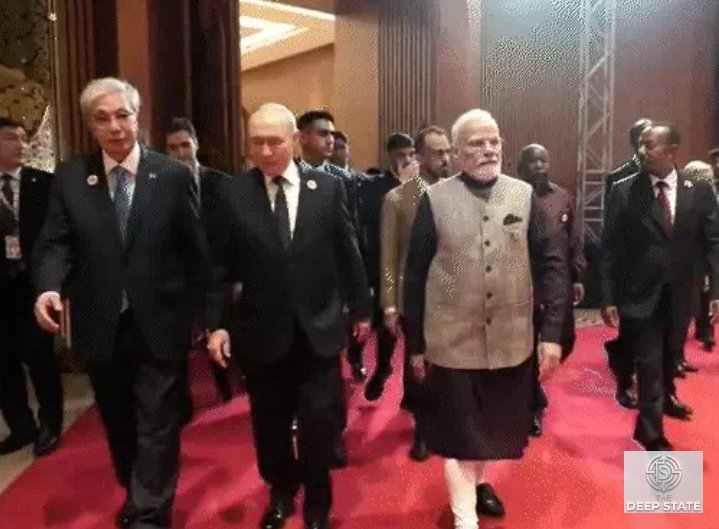
New Delhi: India’s handling of the 2026 BRICS Summit in New Delhi has emerged as a significant diplomatic achievement, with international observers highlighting New Delhi’s ability to build consensus among countries with sharply different geopolitical interests.
The expanded BRICS grouping includes major powers and regional players with divergent positions on the United States, the West Asia conflict, trade and the future of the global financial system. Against this difficult backdrop, India managed to steer the summit toward a joint declaration and a broader agenda centred on cooperation, development and reform of global institutions.
The most notable aspect of India’s approach was its effort to prevent BRICS from becoming an explicitly anti-American or anti-Western geopolitical alliance. Analysts noted that New Delhi pushed for a pragmatic platform where member states could cooperate without being forced into a single ideological camp.
India’s balancing act
India’s diplomacy was particularly important because BRICS members do not share identical foreign-policy priorities. China and Russia have increasingly advocated a stronger challenge to Western dominance, while India has maintained strategic relationships with both Western countries and members of the expanded BRICS grouping.
The summit therefore became a test of India’s ability to reconcile competing interests. The eventual consensus demonstrated that BRICS could remain a platform for cooperation among emerging powers without turning into a formal military or anti-US bloc.
The New Delhi declaration also addressed trade, global governance, development, technology and international conflicts. India’s emphasis on institutional reform rather than outright confrontation with the existing global order helped maintain space for countries with different strategic priorities.
A diplomatic test for New Delhi
The outcome is being viewed as a boost to India’s international standing. With BRICS now representing a substantial share of the world’s population and economy, its internal cohesion has become increasingly important to global diplomacy.
For New Delhi, the summit offered an opportunity to project India as a bridge between competing geopolitical camps—while keeping the focus on cooperation, strategic autonomy and a greater voice for the Global South.
The broader message from New Delhi was clear: India wants BRICS to become more influential, but not necessarily more confrontational.