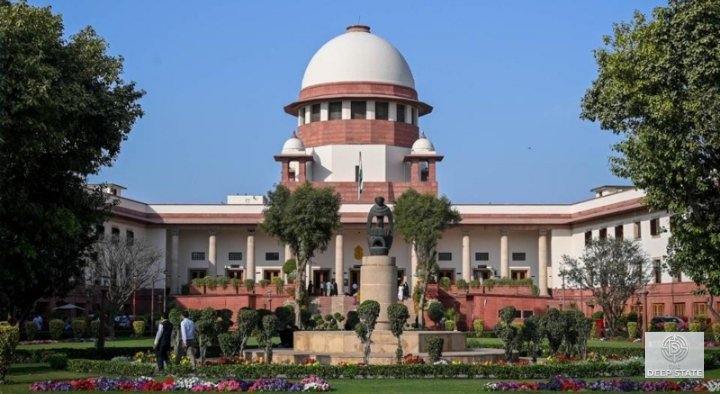
New Delhi: In a significant judicial reform, the Lok Sabha on Monday approved the Supreme Court (Number of Judges) Amendment Bill, 2026 by consensus without an extended debate. Once it completes the remaining legislative process, the amendment will raise the Supreme Court's sanctioned judicial strength from 34 to 38 judges, including the Chief Justice of India.
Presenting the bill, Union Law and Justice Minister Arjun Ram Meghwal said the increase is necessary to help the country's highest court manage an expanding caseload and ensure quicker disposal of pending matters. He stated that strengthening the judiciary is part of the government's broader governance and institutional reform agenda.
The minister noted that India's constitutional framework depends on coordination between the legislature, executive, and judiciary. According to the government, increasing the number of judges is expected to improve judicial efficiency as litigation continues to rise.
Judicial Strength Has Increased Over Time
The government also highlighted the historical evolution of the Supreme Court. When the court was established in 1950 under Article 124 of the Constitution, it consisted of eight judges, including the Chief Justice. Parliament subsequently increased the sanctioned strength through amendments in 1956, 1960, 1978, 1986, 2009, 2019, and now 2026, reflecting the growing demands on India's judicial system.
Legal experts believe that while increasing the number of judges can improve the court's capacity, reducing pendency will also require faster appointments, modern court infrastructure, digital reforms, and efficient case management.