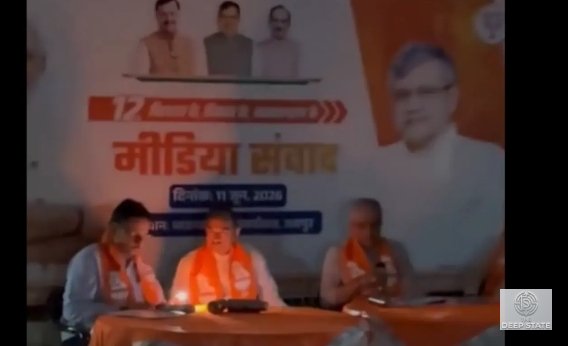
A power outage occurring during a press conference addressed by Rajasthan Energy Minister Heeralal Nagar has ignited renewed scrutiny of the state's electricity infrastructure, raising questions about the gap between official assurances and consumer experiences.
The incident, which unfolded in full view of journalists and officials, quickly became a symbol of the challenges facing Rajasthan’s power distribution system. Critics argue that if uninterrupted electricity cannot be ensured during an official government event, public confidence in claims of reliable supply is likely to suffer.
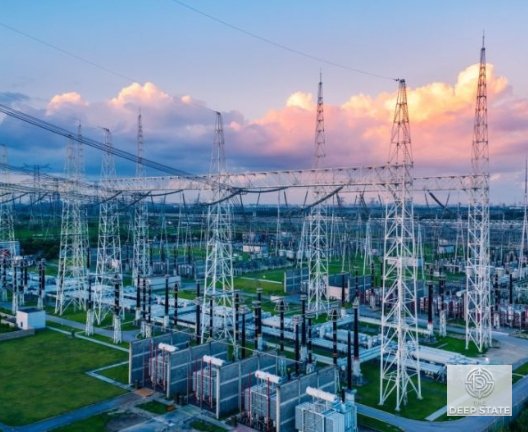
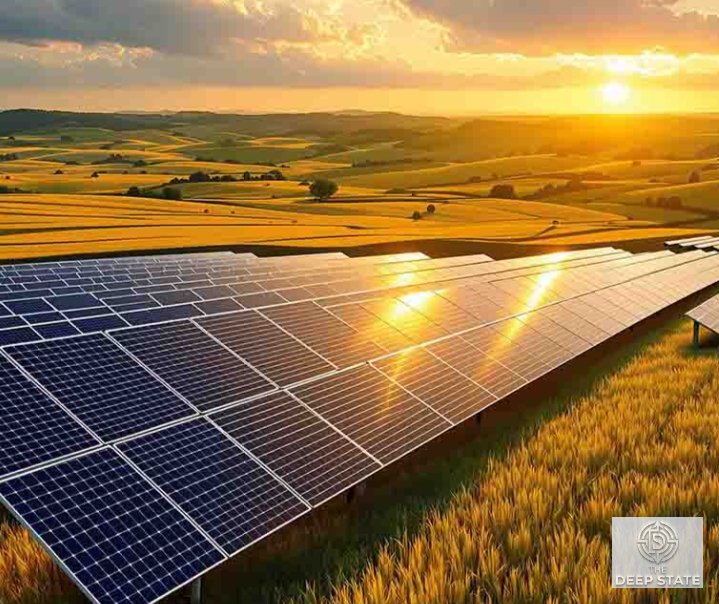
The Rajasthan government has consistently maintained that there is no widespread load shedding in the state. In previous statements, Minister Nagar attributed most disruptions to scheduled maintenance activities and technical faults while emphasizing investments in solar energy expansion, transmission upgrades, and battery energy storage projects.
However, consumers across both urban and rural Rajasthan continue to report frequent power interruptions. Studies and consumer feedback have highlighted concerns over unscheduled outages and lengthy restoration times, particularly in rural regions where electricity supply remains inconsistent.
Recent outage notifications issued by state distribution companies indicate that interruptions continue to affect multiple localities across districts including Kota, Bharatpur, and Bikaner. While many of these outages are officially categorized as maintenance-related, residents often complain of inadequate communication and prolonged disruptions.
The timing of the ministerial blackout is especially significant as Rajasthan seeks to position itself as India's leading renewable energy hub. The state has aggressively expanded solar generation capacity and announced ambitious plans for large-scale battery storage projects designed to strengthen grid stability.
Yet for ordinary consumers, the measure of success remains straightforward: reliable electricity at home, in businesses, and in public institutions.
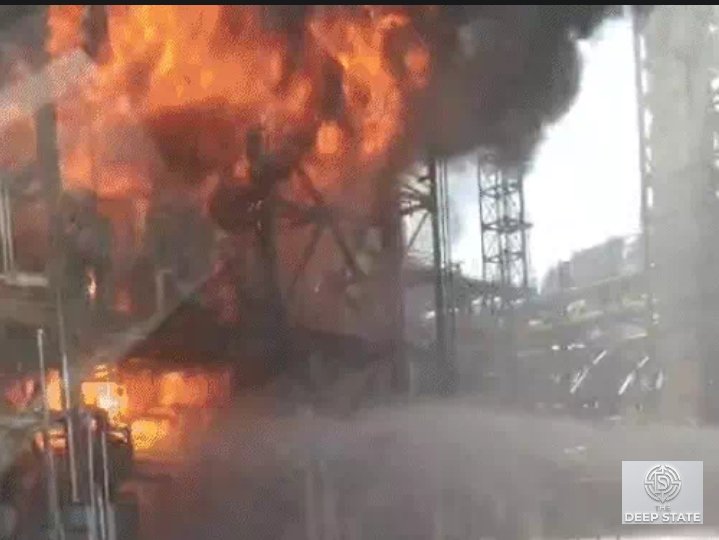
Recent dust storms across western Rajasthan have further exposed vulnerabilities in the state's distribution network. Strong winds damaged poles, transformers, and feeders in several districts, requiring extensive repair efforts and causing prolonged outages in affected areas.
At the national level, electricity demand continues to rise as extreme temperatures push consumption to record highs. Although India has generally maintained adequate generation capacity, experts warn that transmission constraints, local infrastructure weaknesses, and renewable energy variability can still trigger localized power disruptions.
For Rajasthan, the blackout during the Energy Minister’s press conference may prove more consequential than the outage itself. The incident has reinforced a public perception that official claims of uninterrupted power do not always align with consumer experiences on the ground.
Until residents see fewer disruptions, faster restoration services, and stronger local distribution networks, every unexpected power cut—particularly one occurring in front of the state's Energy Minister—will continue to raise uncomfortable questions about the reliability of Rajasthan's electricity system.