
On a single day in late April 2026, India achieved a disturbing meteorological milestone that has left climate scientists searching for parallels. According to data compiled by AQI.in, an air quality and weather monitoring platform, every single one of the planet’s top 50 hottest cities was located within just one country: India.
“This is not a normal April. And it demands a serious, data-grounded reckoning,” AQI stated on its website. “There is no modern precedent.”
The platform’s rankings, which aggregate 24-hour temperature data including daytime peaks, nighttime lows, and additional meteorological factors such as rainfall, wind, and humidity, revealed a staggering reality. On April 27, the average peak temperature across all 50 Indian cities on the list reached 112.5 degrees Fahrenheit (44.7°C).
At the top of the list sat Banda, a city in the northern state of Uttar Pradesh known for its harsh, sub-tropical summers. Even before the typical peak summer months, the heat had intensified dramatically. On April 27, temperatures in Banda soared to 115.16°F (46.2°C)—the highest recorded anywhere on Earth that day. The city’s lowest temperature that morning was a sweltering 94.5°F (34.7°C), offering little relief to residents.
The majority of India’s hottest cities were concentrated in what AQI describes as the country’s “interior heat belt,” spanning states such as Uttar Pradesh, Madhya Pradesh, Maharashtra, and Rajasthan.
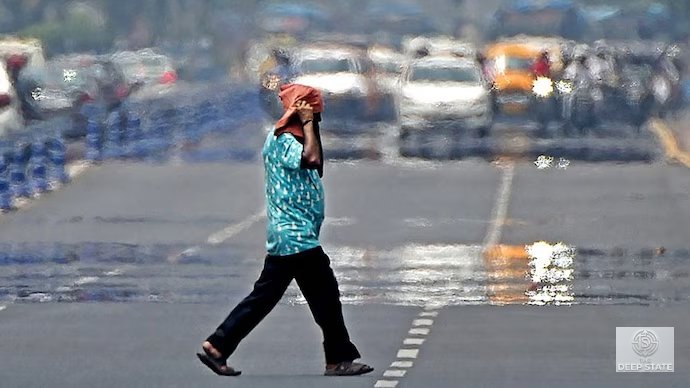
“This stands among the top, if not the top harshest for April, which is usually not the hottest month of the year,” said Maximiliano Herrera, a renowned climatologist and weather historian who tracks extreme temperatures globally. Herrera noted that dozens, if not hundreds, of April heat records were broken during the second half of the month.
While a single day’s data does not alone establish a long-term trend, it fits within a broader and deeply concerning pattern. India has been grappling with increasingly intense heat, driven by the accelerating climate crisis. Summers are arriving earlier and growing hotter. Last year, blistering heat arrived in April for large parts of the country, with temperatures spiking more than 5 degrees above seasonal averages.
The April 2026 event serves as a stark warning. When 50 cities simultaneously register average temperatures exceeding 37.5°C—core human body temperature—entire regions face mass public health risks. For millions of Indians, the heat is not merely uncomfortable; it is becoming an existential threat that demands immediate attention and action.